How To Start A Farm (The Complete 2026 Guide)
A practical guide for first-time US farmers: find customers, choose land and crops, budget your startup, check permits, and plan your first season.
 Jack Dempsey17 min read
To start a farm in the US, identify your customers, choose suitable land and crops, and write a business plan. Budget for equipment, operating costs, and the months before sales, then confirm local permits and food-safety requirements. Start with a manageable first season, track costs and results, and expand as demand grows.
In this guide
Buildafarmthatfitsyourlife
Your goals
Decide what the farm needs to earn, how much time you can give it, and what you can afford to invest.
Set your first-season targets
A farm that supplements a salary needs a different plan from one expected to support a household. Keep household income needs separate from farm sales, and include family commitments and another job in your schedule.[1]
Choose an initial enterprise: vegetables for local households, flower subscriptions, or a livestock business, for example. Each asks for different skills, equipment, and daily work.
- Income: how much do you need to draw from the farm?
- Time: which hours can you reliably give to growing and selling?
- Cash: how much can you invest without using your household reserve?
- Progress: what sales, working hours, and learning goals will you review?
Get hands-on experience
Spend time on a working farm that resembles the business you want to build. Paid seasonal work, a training program, or a supervised trial can teach you the whole workflow, from planting to packing and delivery.[2]
Use your local land-grant university Extension service for regional crop guidance, soil testing, and workshops. Keep trial records of planting dates, problems, saleable harvest, and hours worked.
For livestock, build skills in daily care, feed, fencing, veterinary support, and processing before buying animals.
Connecttheharvesttoabuyer
Customers
Learn what people will buy before deciding how much to produce.
Ask buyers what they need
Visit the markets you could serve and speak with households, market organizers, or commercial buyers. A repeat order or a specific buying requirement gives you more useful planning evidence than general encouragement.
Record the products, quantities, packaging, buying frequency, and pickup or delivery arrangements people want. Then choose one main sales channel you can serve reliably.[3]
| Channel | What to confirm | Work to include |
|---|---|---|
| Farmers market | Vendor availability, customer demand, market rules | Stall fees, travel, setup, selling time, leftovers |
| CSA or subscription | Share size, season length, pickup terms | Crop variety, packing, member communication |
| Restaurants or retailers | Specifications, order size, payment timing | Consistent quality, delivery, invoicing |
| Farm pickup or stand | Local demand and permission for customer visits | Signage, access, staffing, payment handling |
Matchthesitetothebusiness
Land and crops
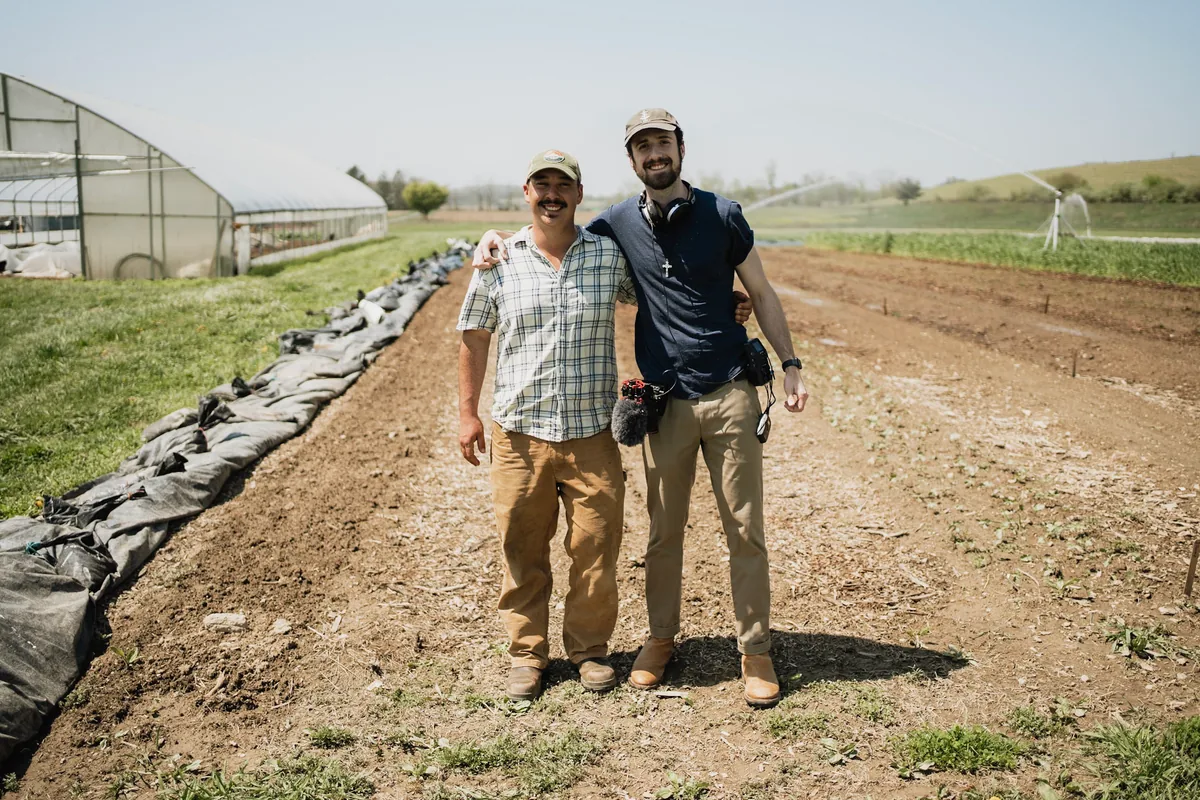
Choose land and crops together, with reliable water, suitable soil, and a clear route to customers.
Check the land before committing
Compare leasing, farm incubators, landowner agreements, and purchasing where available. Include the cost of making the site workable: water, access, preparation, facilities, and the time you can securely use it.[4]
Use USDA NRCS Web Soil Survey to investigate mapped soils, then walk the site and arrange appropriate soil testing. Some decisions need an on-site investigation; maps, nutrient tests, and land-use history answer different questions.[5]
Put lease terms in writing: permitted uses, water access, structures, maintenance, improvements, and what happens when the agreement ends. Have the terms reviewed for your situation, especially before installing permanent improvements or planting perennial crops.
- Water: access rights, capacity, irrigation needs, and quality for the intended use.
- Soil: drainage, slope, sun, condition, and previous land use.
- Access: roads, delivery vehicles, parking, and distance to buyers.
- Facilities: power, storage, harvest handling, and required cooling.
- Permission and risk: zoning, lease restrictions, flooding, and improvement costs.
Choose a manageable crop mix
Shortlist products that fit your climate, skills, and buyers. Compare saleable yield, achievable price, labor, packing, and how long each crop occupies the land. Leave room for paths, rotation, infrastructure, and the work you can complete.
Use regional enterprise budgets as a starting point, then replace assumptions with local quotes and trial records. A high selling price only helps when the crop fits your production and sales capacity.[6]
- Annual vegetables: plan harvest frequency, succession planting, and handling capacity.
- Perennial crops: budget for the seasons before meaningful sales and secure enough land tenure.
- Livestock: include daily care, feed, facilities, and product-specific requirements.
Makethenumbersworkbeforespending
Budget and setup
Connect the business plan, startup cash, pricing, and required approvals before making large purchases.
Put the plan on one page
Explain what you will sell, who will buy it, how you will produce it, and what the operation needs. Add detail when a lender, partner, or your own decisions require it.[7]
Make the assumptions visible. Test lower sales, lower prices, and slower payment. Keep off-farm income separate so you can see what the farm itself contributes.
- Offer and buyers: products, quantities, season, prices, and payment terms.
- Production: usable land, water, methods, calendar, and labor.
- Startup: equipment, site work, supplies, and secured funding.
- Finances: monthly cash flow, costs, and an allowance for owner work.
- Review: likely risks and the evidence needed before expanding.
Price your startup and cash gaps
Get current quotes for your site and enterprise. Separate long-lived purchases, seasonal operating costs, and working cash. Land, wells, major buildings, and paid labor can change the budget substantially.
This fictional $12,500 cash allocation illustrates a small leased growing operation using basic equipment. It excludes land purchase, major construction, paid employees, and household living costs. Replace every amount with your own quotes and add the costs that apply to you.
Map payments and expected receipts month by month. Rent, seeds, and supplies may be due before harvest income arrives. Keep a separate household reserve and set a limit on additional spending.
| Cash use | Example allocation | What to price |
|---|---|---|
| Lease and site preparation | $3,000 | Lease payments due, basic preparation, soil tests |
| Irrigation and tools | $2,500 | Water distribution, fittings, essential hand tools |
| Harvest and handling | $1,500 | Crates, suitable wash setup, packing supplies |
| Seasonal production inputs | $2,000 | Seeds, transplants, amendments, replacement supplies |
| Selling and administration | $1,000 | Market fees, insurance quote, registrations, bookkeeping |
| Working cash reserve | $2,500 | Timing gaps, repairs, and slower-than-planned sales |
| Total cash allocation | $12,500 | Before the excluded costs described above |
Find the sales volume your prices need
Estimate revenue from sold units. Include production, packing, selling, overhead, equipment wear, and owner work. Use consistent units, such as a pound, bunch, or weekly share.
Contribution per unit is the selling price minus variable costs. It helps you work out how many sales are needed to cover the remaining costs and your target allowance for owner work.
Check cash flow separately from profit. Loan principal and equipment purchases use cash; depreciation affects accounting profit. Ask your accountant how to classify them in your own plan.
Match funding to the plan
Compare savings, off-farm income, a smaller launch, and borrowing. Include interest, fees, and repayment timing in a slower-sales scenario. Count a grant as secured only after an award and confirmation of its approved uses.
USDA Farm Service Agency offers ownership and operating loans with eligibility requirements. Operating Microloans currently list loans up to $50,000. Discuss your experience, land arrangement, plan, and records with a local USDA Service Center.[8][9]
For 2026 crop-year policies with sales closing dates on or after July 1, 2025, USDA RMA expanded beginning-farmer crop insurance benefits to up to ten crop years and changed premium support. Ask an agent about eligibility, records, and deadlines. Discuss liability, property, and crop or revenue protection with the appropriate insurers.[10]
Confirm requirements for your products
Check business structure, registration, tax identification, and reporting with the relevant state offices and a qualified adviser. Your location, products, and activities determine which permissions and obligations apply.[11]
Ask local offices, your state agriculture department, and buyers about farm stands, customer visits, processing, eggs, meat, dairy, pesticide use, or employees as relevant. Confirm organic certification and labeling rules before making organic claims.[12]
For non-sprout covered produce, FDA lists April 6, 2026 as the pre-harvest agricultural water compliance date for covered small businesses, and April 5, 2027 for covered very small businesses. Determine your coverage, exemptions, and requirements using current FDA guidance and your state produce-safety program.[13]
- Confirm permitted land use, structures, signage, and customer access.
- Check handling, processing, labeling, and sales requirements for each product.
- Plan suitable water, worker hygiene, clean containers, and safe handling.
- Clarify tax, payroll, insurance, and recordkeeping before hiring or selling.
Turntheplanintoaweeklyroutine
Your first season
Plan the busiest week, then work backward from your first sales date.
Schedule growing, handling, and selling
Map sowing, transplanting, irrigation, harvest, and succession planting using regional guidance. Include washing, packing, delivery, and customer communication in the same calendar.
Buy tools against specific jobs and volumes. Price rental or custom services for occasional heavy work where available. Include maintenance, storage, and running costs when comparing equipment.
- Walk an order from harvest through handling, packing, and delivery.
- Arrange the facilities and cooling needed to maintain product quality.
- Connect harvest or batch records to sales as appropriate to your products.
- Leave time for weather delays, repairs, and routine maintenance.
Prepare your launch in three stages
Use this as a planning sequence, adjusting it to your climate, enterprise, approvals, and land availability. Ninety days is a preparation window, not a harvest deadline. Perennials, livestock, major infrastructure, or a missed planting window need a different timeline.
Before each new commitment, check what you have learned. Unresolved water access, an unsuitable lease, or demand only at unworkable prices is a reason to revisit the plan.
Days 1–30
Explore
- Set goals and get hands-on experience.
- Speak with buyers.
- Investigate suitable sites.
Aim for: A shortlist of enterprises, buyers, and land requirements.
Days 31–60
Plan
- Check soil, water, and permissions.
- Get quotes and write the plan.
- Confirm funding and cash needs.
Aim for: A workable site, startup budget, and monthly cash plan.
Days 61–90
Prepare
- Complete the required setup.
- Prepare a trial or seasonal planting.
- Organize sales and records.
Aim for: A launch calendar, essential systems, and a clear first offer.
Letthefirstseasonguidethenext
Growing the business
Use repeat demand, margins, and workload to decide what earns a place in the next season.
Keep a simple weekly scorecard
Record spending, planting and harvest dates, saleable yield, sales, leftovers, prices, and owner hours. Reconcile bank activity and invoices. The current IRS Farmer's Tax Guide and professional advice can help with your federal tax and recordkeeping questions.[14]
Review which products people buy again, which weeks overload the schedule, and what remains after direct costs. A well-grown crop that stays unsold needs a different response from one you cannot supply fast enough.
- Demand: what sold again, and what was left over?
- Margin: what contributed toward overhead and owner work?
- Time: where did the schedule break down?
- Cash: did receipts cover payments when they were due?
Expand the parts that have proved themselves
Before adding acreage or customers, identify the bottleneck. More production also needs enough irrigation, harvest, handling, selling, and administration capacity.
Keep successful products and channels, change weak assumptions, and set limits on additional spending and workload. Make one manageable change, then review the results.
Want help planning your farm business?
Interested in working with me on your farm business? Book a free 15-minute introductory call to discuss your challenges, your goals, and whether we’d work well together.
Whatelseshouldyouknow?
FAQ
Frequently asked questions
How much money do I need to start a farm?
For a small, owner-operated vegetable farm on leased land, I recommend a first-season cash budget of $10,000–$20,000, excluding land purchase and household living expenses.
- $3,000: Lease and site preparation.
- $2,500: Irrigation and essential tools.
- $1,500: Harvest handling and packing.
- $2,000: Seeds, amendments, and seasonal inputs.
- $1,000: Selling, insurance, and administration.
- $2,500: Working-cash reserve.
Use the guide's $12,500 allocation as a starting plan: $10,000 for setup and first-season costs, plus a $2,500 working-cash reserve. It assumes existing usable water access and basic hand-tool production. A new well, major buildings, payroll, and land purchase need additional funding.
A small trial can cost less. Cornell Small Farms describes starts below $5,000 on leased or already-owned land.[15]
My $10,000–$20,000 target allows more room for setup and cash gaps; it is a budgeting recommendation rather than a surveyed US average.
Can I start a farm without owning land?
Yes. Leasing suitable land lets you start a farm without buying property and keeps more cash available for production, equipment, and customers.
For context, USDA's 2026 national cropland figures list $6,020 per acre in value and $160 per acre in annual cash rent. At those benchmarks, ten acres represent $60,200 to buy versus $1,600 a year to rent, before improvements. These broad averages are not quotes for a small irrigated market-garden site.[16]
For annual vegetables, my recommendation is a written lease covering at least a full growing season. Confirm water access, permitted crops and structures, maintenance, and ownership of improvements. Perennials and permanent installations need longer secure tenure.
How many acres do I need?
For a first-season vegetable business, my recommended trial size is ¼ acre of production (10,890 square feet). Expand toward ½–1 acre after you have repeat buyers and can manage the workload.
That is growing area: allow additional room for paths, storage, washing, access, and parking. A part-time trial can be much smaller. This is a suggested starting scale for intensive vegetables, not an acreage requirement for livestock, grain, or orchards.
Can I start farming with no experience?
Yes. Start with a small commercial trial or supervised farm work, and complete a crop cycle from planting through harvest and sale before committing to a larger operation.[2]
Choose three to five crops with buyers in mind. Record yield, costs, sales, and owner hours, and use local Extension training for production gaps. For a full-time launch, I recommend gaining experience across a complete growing season so you understand the busy weeks as well as the quiet ones.
What is the most profitable crop for a beginner?
For a beginner selling locally, I would first compare salad greens, garden radishes, and culinary herbs. Choose the crops your buyers want and rank them by the money left after costs and the hours they require.
Garden radishes typically reach harvest in three to five weeks, making them useful for testing production and demand quickly. Greens and herbs also deserve a local pricing and labor comparison; a high selling price alone does not establish profitability.[17][18]
Start with three to five crops and one main sales channel. Track sold quantities and time spent before choosing which crop to expand.
Are there USDA programs for beginning farmers?
Yes. For a small startup, the USDA FSA Operating Microloan is a useful program to investigate: it offers eligible borrowers up to $50,000 for approved operating expenses.[8]
Approved uses include seed, supplies, livestock, equipment, minor improvements, and marketing costs. Prepare a business plan, cash-flow estimate, financial records, and evidence of management experience or education for a conversation with your local FSA office. This is a loan with repayment obligations; funding and terms depend on eligibility and approval.[8]
Do I need an LLC or a farm license?
An LLC is a business-structure choice, not a universal requirement to start a farm. You can operate as a sole proprietor, while still meeting the registration, tax, land-use, and product rules that apply to your operation.[11]
Before selling, check state business registration, county or city zoning, your state agriculture department's product rules, and your market or buyer's requirements. Meat, dairy, processed foods, pesticide use, and employees can add obligations.
If you need an Employer Identification Number (EIN), apply directly through the IRS: the fee is $0. If forming an LLC or corporation, complete state formation before requesting its EIN.[19]
Can I start a farm while keeping my current job?
Yes. My recommendation for a part-time trial is four to eight growing beds, three to five crops, and one weekly pickup or sales channel while you keep your existing income.
With beds 30 inches wide and 50 feet long, that is 500–1,000 square feet of growing area, plus paths. Reserve specific times for irrigation, harvest, packing, and customer communication. Expand when your records show the extra work fits your schedule and the additional sales cover its costs.
How soon can I make my first farm sales?
A fast crop can provide a first harvest in three to five weeks after planting on a prepared site in suitable growing conditions. Garden radishes are one example; your first sale also needs a ready buyer and the required selling setup.[17]
That clock starts at planting, not at the first land search. Add time for the lease, water, bed preparation, approvals, and sales arrangements. Longer-season crops and perennials need a different timeline. Track all startup costs before treating early sales as profit.
How can farm business coaching help me get started?
I help you turn crop choice, pricing, CSA plans, and direct-market sales into a plan that fits your land, budget, and available time.
Bring your location, land situation, startup budget, weekly availability, and the challenges you want to work through. The free 15-minute introductory call is a chance to discuss those goals, learn about coaching, and decide whether we'd work well together.
Readtheoriginalguidance
References
- [1]Penn State Extension: starting an agricultural business
- [2]Penn State Extension: learning and starting small
- [3]Penn State Extension: farm market research
- [4]USDA: finding land and funding
- [5]USDA NRCS: Web Soil Survey
- [6]Penn State Extension: evaluating agricultural enterprises
- [7]USDA: planning a new farm operation
- [8]USDA FSA: Operating Microloans
- [9]USDA: preparing for a Service Center visit
- [10]USDA RMA: 2026 beginning-farmer insurance changes
- [11]SBA: registration, structures, licenses, and permits
- [12]USDA AMS: organic certification
- [13]FDA: Produce Safety Rule and water compliance dates
- [14]IRS: Farmer's Tax Guide
- [15]Cornell Small Farms: low-capital startup guidance
- [16]USDA ERS: 2026 cropland values and rents
- [17]UMN Extension: radish harvest timing
- [18]UMN Extension: comparing crop labor and value
- [19]IRS: free EIN applications and when to apply